Bed Prep Done Right Before the Mulch Goes Down
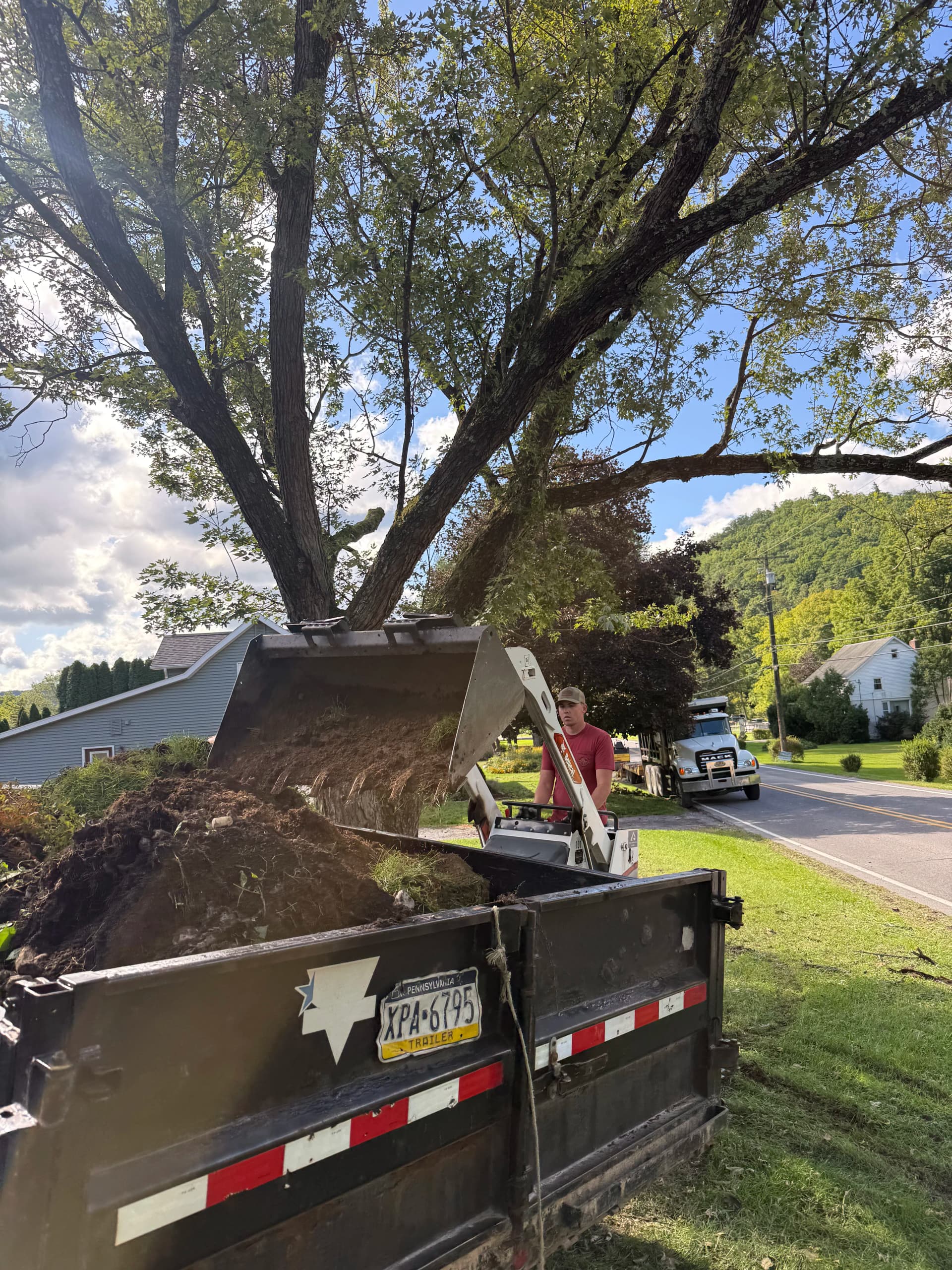
Most people think a mulch job starts with the mulch. It doesn't. It starts with what's underneath - the soil, the grade, the old root systems, and anything else that's been building up over the years. Skip that step and you're just covering up a mess.
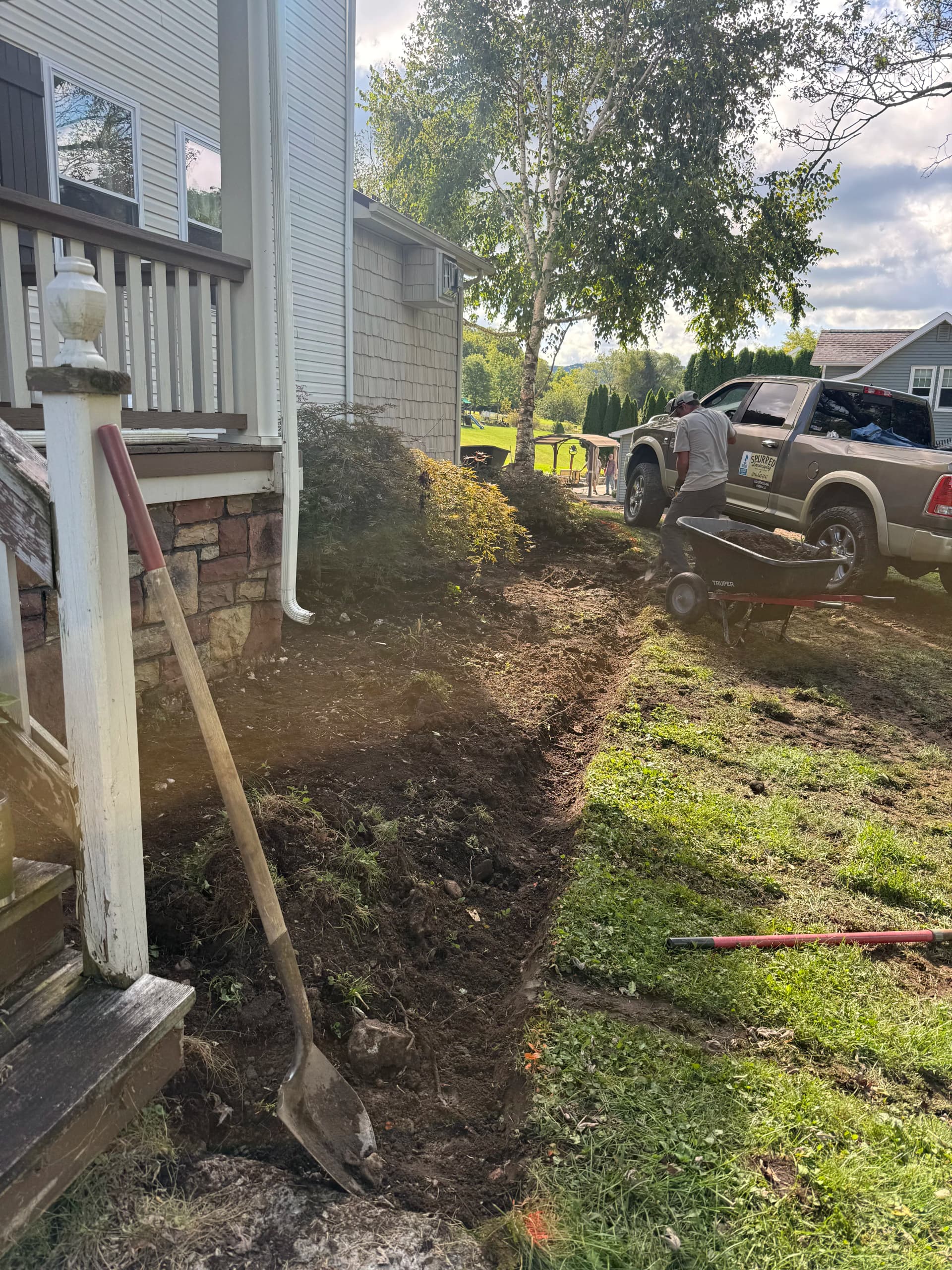
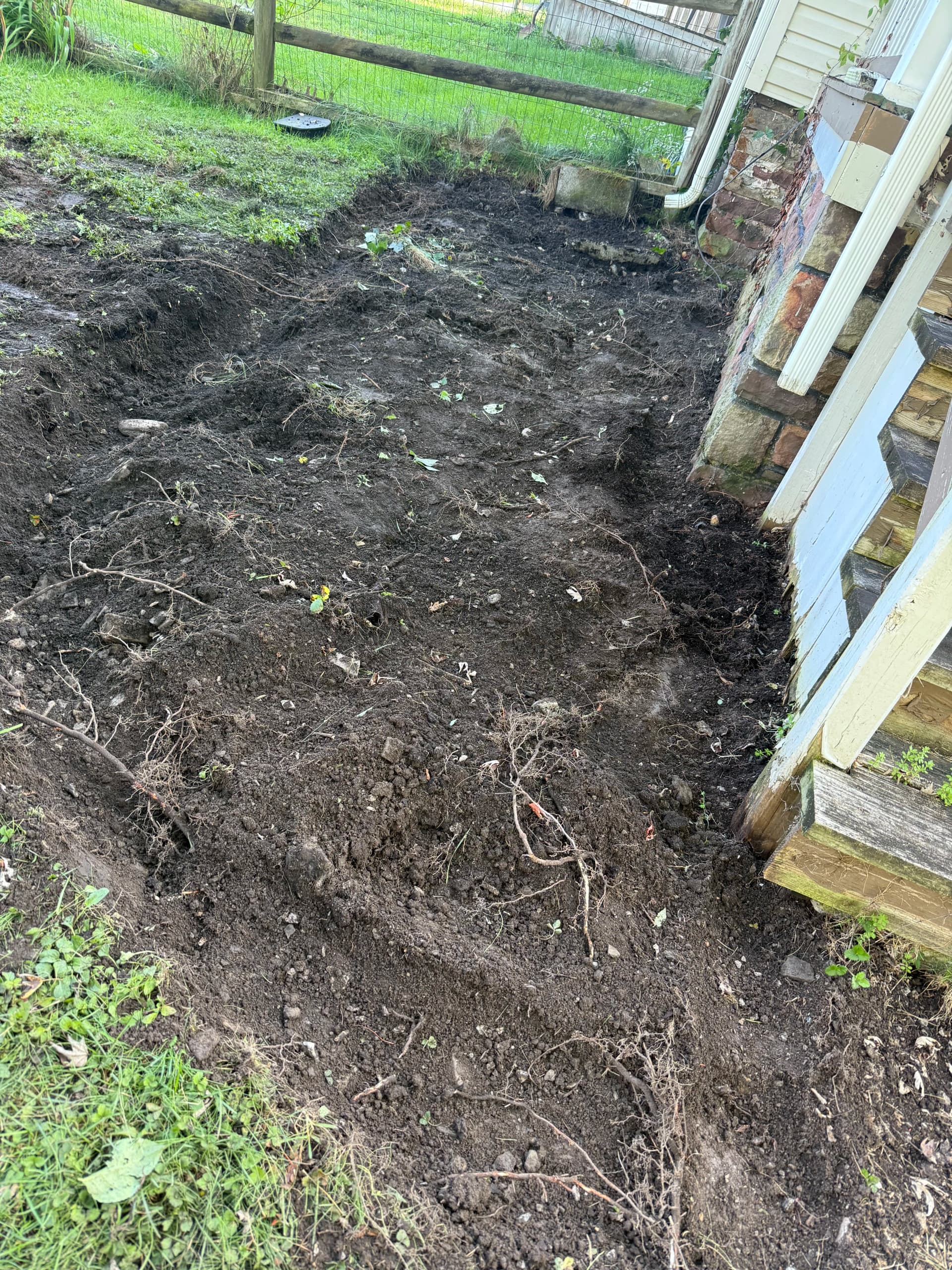
Here's what we were working with: overgrown beds loaded with old roots, compacted soil, and uneven ground right along the foundation. We stripped it all out, turned the soil over, and hauled the debris off-site. That's not extra work - that's the work. It's what separates a bed that holds up from one that looks rough again by spring.
The trench running along the foundation isn't just for looks either. Proper grading near a home's foundation matters. Water has to move away from the structure, not pool against it. So while we're prepping these beds, we're also thinking about drainage and making sure the finished grade does its job.
Once the soil is cleared out and the ground is properly shaped, mulch actually performs the way it's supposed to - locking in moisture, suppressing weeds, and giving everything a clean, finished look that lasts. That prep work is what makes the difference between a mulch job that looks great for a week and one that holds up season after season.
Fall is honestly one of the best times to tackle this. The ground is still workable, and getting beds dialed in now sets you up for a clean start come spring. It's the kind of thing that's easy to push off - but a lot easier to deal with before winter than after.