Retaining Wall With Econodrain System
Discover the benefits of EconoDrain systems for effective retaining wall drainage, reducing hydrostatic pressure and ensuring long-term strength.
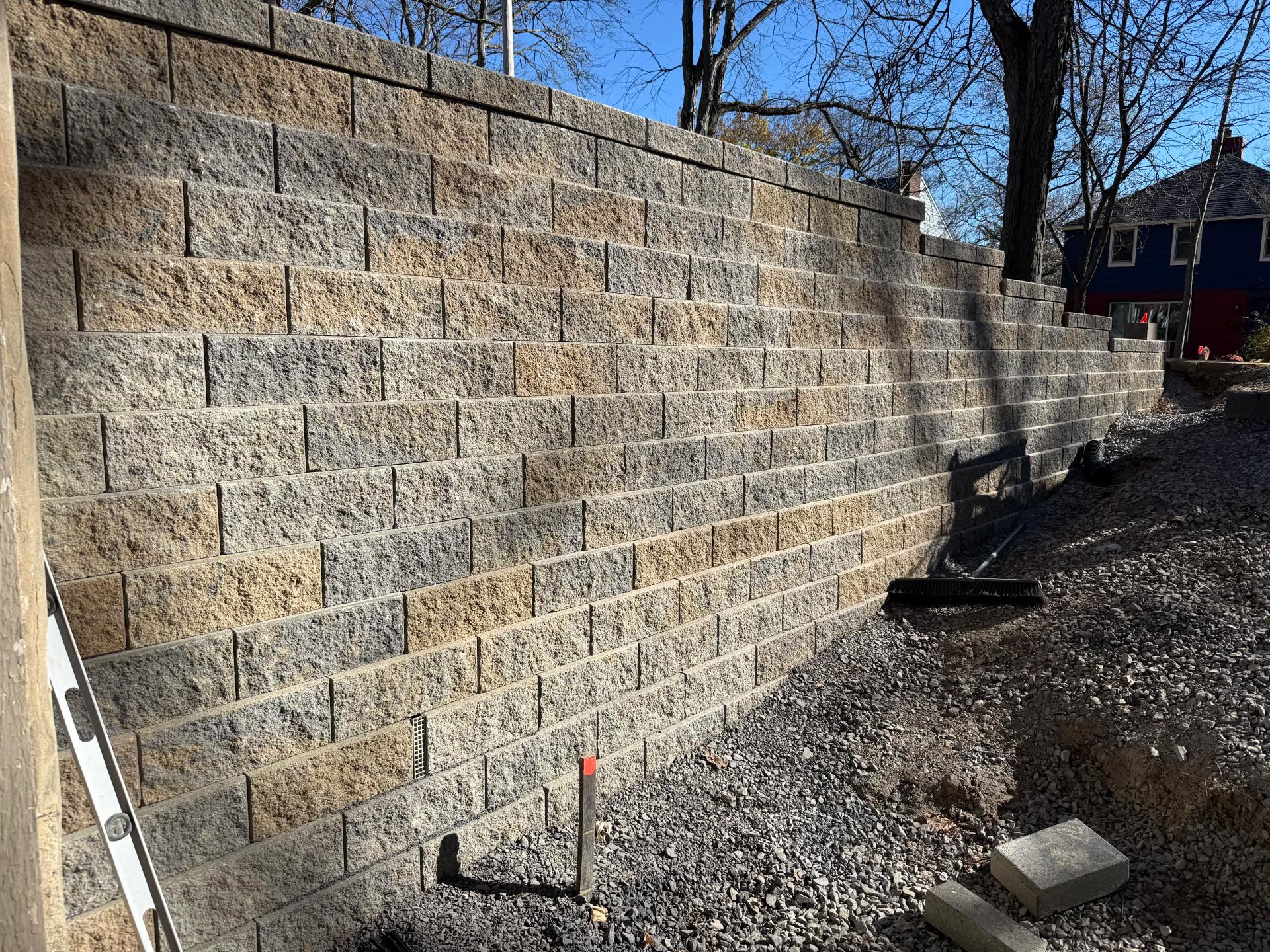
Retaining Wall Drainage: Why an EconoDrain System Is Essential for Long-Term Wall Performance
A retaining wall is only as strong as the drainage system behind it. Whether you're building a residential landscape wall, a commercial retaining wall, or a large-scale structural wall, managing water is one of the most important factors in ensuring long-term stability and performance.
One effective approach to retaining wall drainage is using an EconoDrain drainage system. Designed to help collect and redirect water behind retaining walls, this type of drainage solution can reduce hydrostatic pressure, improve drainage efficiency, and help protect the structural integrity of the wall.
In this article, we'll explore why retaining wall drainage matters, how an EconoDrain system works, and the benefits of incorporating it into your next retaining wall project.
Why Is Drainage So Important Behind Retaining Walls?
Water is one of the leading contributors to retaining wall problems. When rainwater, groundwater, or surface runoff accumulates in the soil behind a retaining wall, it can create hydrostatic pressure.
Hydrostatic pressure is the force exerted by standing water against the wall. As water accumulates, that pressure increases, placing additional stress on the retaining wall structure.
Without proper drainage, this pressure can contribute to several problems:
Wall movement or bulging: Excessive pressure can cause a retaining wall to lean, shift, or bow outward.
Cracking and structural damage: Water pressure can increase stresses on concrete, masonry, and segmental retaining walls.
Soil erosion: Uncontrolled water movement can wash away soil and compromise support behind the wall.
Freeze-thaw damage: In colder climates, trapped water can freeze and expand, contributing to wall deterioration.
Premature wall failure: Over time, inadequate drainage can significantly shorten the service life of a retaining wall.
Installing an effective drainage system helps manage these risks by providing a controlled path for water to escape.
What Is an EconoDrain System?
An EconoDrain system is a drainage solution used to manage water accumulation behind retaining walls and other below-grade structures.
Rather than allowing water to build up against the back of a retaining wall, the drainage system provides a pathway for water to move toward a designated collection point or outlet.
Depending on the specific EconoDrain product and installation design, the system may incorporate drainage materials that collect water along the wall and direct it toward an appropriate discharge location.
The primary goal is simple: move water away from the retaining wall before it creates damaging hydrostatic pressure.
When properly designed and installed, an EconoDrain system can be an important component of an overall retaining wall drainage strategy.
How Does an EconoDrain Retaining Wall Drainage System Work?
An effective retaining wall drainage system typically performs three essential functions:
1. Collecting Water Behind the Wall
As water infiltrates the backfill behind a retaining wall, it needs a pathway to move downward and away from the structure.
An EconoDrain drainage layer can help provide this pathway, reducing the likelihood that water will remain trapped against the wall.
2. Directing Water Toward a Drainage Outlet
Once water enters the drainage system, it must be directed to an appropriate collection pipe, outlet, or other approved discharge location.
Proper outlet placement is essential. Even the best drainage materials cannot perform effectively if the collected water has nowhere to go.
3. Reducing Hydrostatic Pressure
By helping water drain away from the back of the wall, the system can reduce the buildup of hydrostatic pressure.
This helps protect the wall from unnecessary water-related loading and supports its long-term performance.
Benefits of Using an EconoDrain System for Retaining Walls
Improved Water Management
The primary advantage of an EconoDrain system is its ability to help manage water behind the retaining wall. By providing a defined drainage pathway, the system supports more effective water removal.
Reduced Hydrostatic Pressure
Water pressure can create significant additional loads on a retaining wall. A properly functioning drainage system helps minimize water accumulation and the resulting pressure.
Potential Installation Efficiency
Depending on the EconoDrain product selected, site conditions, and project design, a drainage system may offer installation advantages compared with some traditional drainage approaches.
These advantages can be particularly valuable on projects where excavation space, material handling, and installation time are important considerations.
Long-Term Structural Protection
Retaining walls represent a significant investment. Proper drainage helps protect that investment by reducing water-related stresses that can contribute to deterioration and failure.
Versatility Across Retaining Wall Applications
Drainage systems can be incorporated into a variety of retaining wall projects, including:
Residential landscape retaining walls
Commercial site development
Segmental block retaining walls
Cast-in-place concrete retaining walls
Precast retaining wall systems
Infrastructure and civil construction projects
The drainage design and product selection should always match the requirements of the specific wall.
Best Practices for Installing an EconoDrain Retaining Wall Drainage System
To maximize the effectiveness of a retaining wall drainage system, several installation considerations should be addressed.
1. Prepare the wall and drainage area properly.
Before installing the drainage materials, ensure the wall surface and surrounding area are prepared according to the project plans and manufacturer's recommendations.
2. Follow the manufacturer's installation guidelines.
Drainage products have specific requirements for placement, orientation, connections, and protection during backfilling. Following these requirements is essential to achieving the intended performance.
3. Provide a reliable drainage outlet.
Collected water must have a suitable place to discharge. The drainage system should be connected to an approved outlet or collection system designed to prevent water from accumulating behind the wall.
4. Protect the drainage system from soil intrusion.
Fine soil particles can reduce drainage performance over time. Appropriate filtration and soil separation measures help prevent clogging and maintain drainage capacity.
5. Use appropriate backfill materials.
Backfill selection and compaction should follow the retaining wall design. Drainage materials should not be damaged or displaced during backfilling.
6. Account for surface water.
Subsurface drainage is only part of the solution. Proper surface grading, runoff control, and erosion protection help prevent excessive water from entering the retained soil.
For structural retaining walls, drainage details should be reviewed by a qualified design professional.
Common Retaining Wall Drainage Mistakes to Avoid
Even a high-quality drainage system can experience problems if it is improperly installed.
Some common mistakes include:
Failing to provide a positive drainage outlet
Allowing fine soil particles to clog drainage pathways
Installing drainage materials incorrectly
Using unsuitable backfill
Ignoring surface runoff and grading
Failing to account for groundwater conditions
Assuming drainage eliminates the need for proper structural engineering
Avoiding these mistakes helps ensure that the retaining wall and drainage system work together as intended.
Why Investing in Proper Drainage Saves Money Over Time
When planning a retaining wall project, it can be tempting to focus primarily on the wall blocks, concrete, reinforcement, and appearance.
However, drainage is not an area where shortcuts should be taken.
The cost of addressing drainage during initial construction is often much lower than the expense of repairing a wall that has shifted, cracked, or failed because of uncontrolled water pressure.
A properly designed EconoDrain installation can help reduce the risk of water-related problems and contribute to a longer-lasting retaining wall.
For contractors, engineers, and property owners, that means greater confidence in the finished project and fewer potential maintenance concerns.
Final Thoughts: Build a Better Retaining Wall with EconoDrain
Proper drainage is a critical component of every successful retaining wall project.
Without an effective way to manage water, even a well-constructed retaining wall can experience increased pressure, movement, and premature deterioration.
An EconoDrain retaining wall drainage system can provide an effective way to collect and redirect water, helping reduce hydrostatic pressure and protect the wall over time.
Whether you're designing a new retaining wall or evaluating drainage options for an upcoming construction project, incorporating a properly designed drainage system is an investment in long-term performance.
The bottom line: A stronger retaining wall starts with better drainage.
Frequently Asked Questions About Retaining Wall Drainage
Does every retaining wall need drainage?
Most retaining walls require some form of water management. The appropriate drainage system depends on wall height, soil conditions, groundwater, construction type, and engineering requirements.
Can an EconoDrain system replace gravel behind a retaining wall?
That depends on the specific EconoDrain product and the wall design. Some drainage products may reduce the need for certain aggregate drainage components, but substitutions should be verified against manufacturer specifications and project engineering requirements.
What happens if a retaining wall doesn't have proper drainage?
Water can accumulate behind the wall, increasing hydrostatic pressure and contributing to cracking, bulging, movement, erosion, or structural failure.
Where does the water collected by an EconoDrain system go?
Collected water should be directed toward a properly designed drainage outlet, collection pipe, or approved discharge location.
Is an EconoDrain system suitable for commercial retaining walls?
It may be suitable for commercial applications when the selected product meets the project's drainage, loading, durability, and installation requirements.