Why proper base is critical on a northeast patio
Learn why a strong base is essential for patios in Central PA. Avoid issues with freeze-thaw cycles with proper preparation.
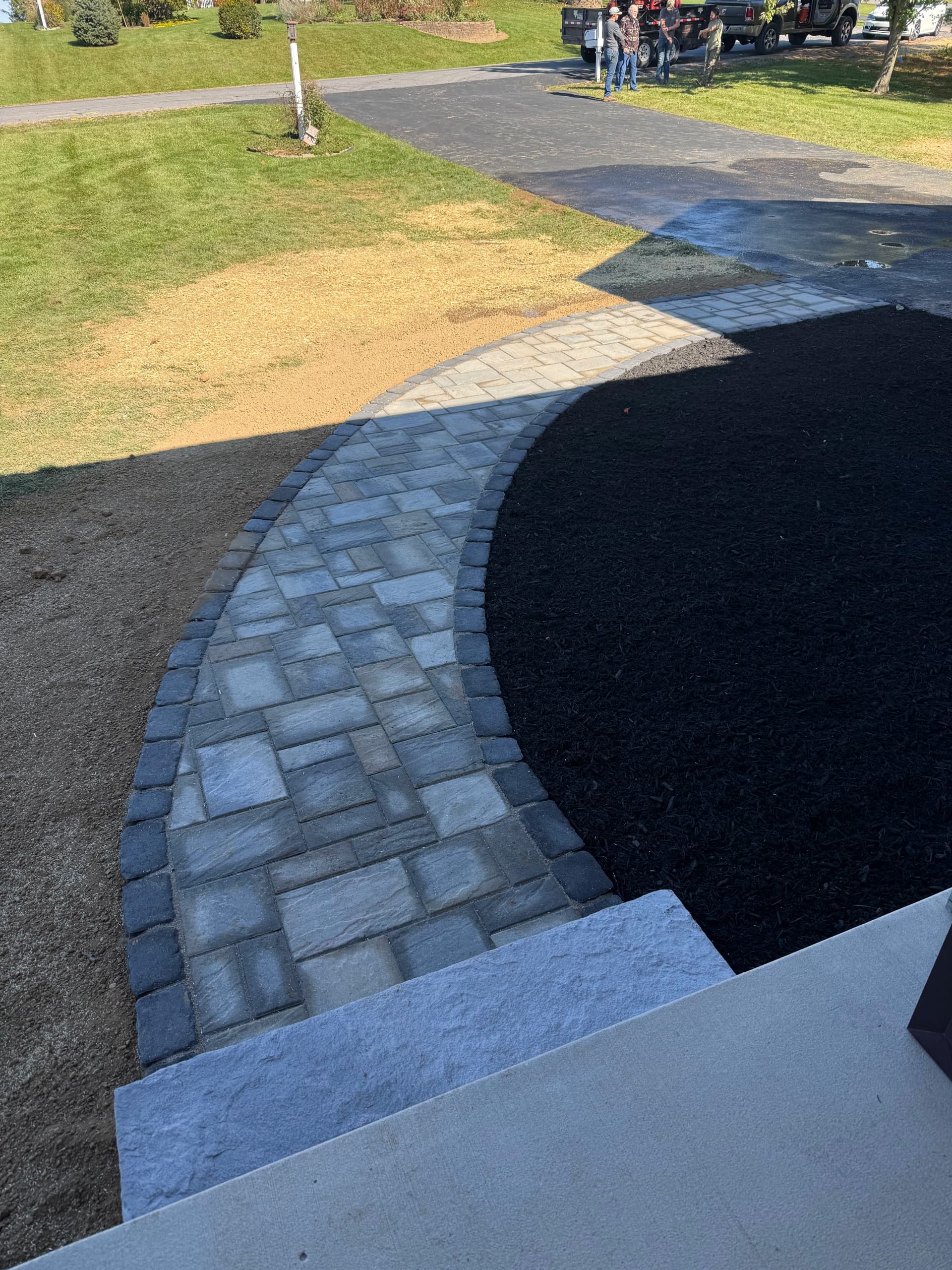
Why a Proper Base Is Critical for Your New Patio in Central Pennsylvania
A Beautiful Patio Starts Below the Surface
When homeowners think about installing a new patio, they often focus on the exciting details: choosing the perfect pavers, selecting colors, designing the layout, and creating an outdoor space where family and friends can gather.
But there's one part of patio construction that's even more important than the pavers themselves: the base underneath them.
Here in Central Pennsylvania, proper patio base preparation isn't just a recommendation — it's essential for building a patio that will stand the test of time.
Whether you're installing a paver patio, a natural stone patio, or a new outdoor living area, what happens below the surface can make the difference between a patio that lasts for decades and one that starts showing problems after just a few seasons.
1. Central Pennsylvania's Freeze-Thaw Cycles Can Destroy a Poorly Built Patio
One of the biggest challenges we face when building patios in Central PA is our unpredictable weather.
Throughout the winter, temperatures regularly fluctuate above and below freezing. When moisture in the ground freezes, it expands. As temperatures warm, that moisture thaws, and the soil can shift again.
This process is known as the freeze-thaw cycle, and it can cause serious problems for patios that aren't built on a properly prepared base.
Without the right foundation, you may begin noticing:
Uneven or sinking pavers
Raised sections of your patio
Gaps forming between pavers
Water collecting in low spots
Shifting steps, edges, and retaining walls
A properly installed, compacted aggregate base helps create a stable foundation that reduces movement and supports the patio through Pennsylvania's changing seasons.
The bottom line: If your patio base isn't built correctly, even the most expensive pavers won't prevent future problems.
2. Proper Excavation Is Where Quality Patio Construction Begins
Before a single paver is installed, the ground needs to be excavated to the appropriate depth.
Simply removing the grass and spreading a few inches of stone isn't enough for a long-lasting patio.
The excavation depth depends on several factors, including soil conditions, patio materials, drainage requirements, and the expected use of the space.
In Central Pennsylvania, we often encounter clay-heavy soils that hold moisture and can become unstable when saturated.
Removing unsuitable topsoil and preparing a firm, stable subgrade are essential steps in creating a dependable foundation.
Cutting corners during excavation may save time initially, but it can lead to costly repairs down the road.
3. The Right Stone Base Makes All the Difference
Not all stone is created equal when it comes to patio construction.
A quality patio base typically uses properly graded crushed aggregate that can be compacted into a strong, stable layer.
For many residential paver patios, approximately 6–8 inches of compacted aggregate may be appropriate, although actual requirements vary based on soil conditions, drainage, manufacturer specifications, and project design.
The stone should be installed in manageable layers and mechanically compacted to achieve proper density.
Why is this so important?
Because compaction is what helps prevent your patio from settling over time.
Simply dumping stone into an excavated area and leveling it out doesn't create the same stable foundation as properly compacting each layer.
A professional installation takes the extra time to make sure the base is built correctly before moving on to the next step.
4. Drainage Is Just as Important as the Base Itself
Water is one of the biggest enemies of any hardscape installation.
Central Pennsylvania experiences everything from heavy spring rains and summer thunderstorms to snow accumulation and winter ice.
If water isn't properly managed, it can collect beneath or on top of your patio, contributing to settlement, erosion, and freeze-thaw damage.
That's why drainage needs to be considered from the very beginning of the project.
A properly designed patio should account for:
Appropriate surface slope to direct water away from the home
Existing yard drainage patterns
Soil conditions and water movement
Downspouts and nearby runoff
Drainage solutions where necessary
In many situations, a patio is designed with a gentle slope of approximately 1/8 to 1/4 inch per foot, depending on the materials and site conditions.
Proper drainage helps protect not only your patio but also the surrounding landscape and your home's foundation.
5. A Strong Base Protects Your Investment
Installing a new patio is a significant investment in your home.
It's an opportunity to expand your outdoor living space, improve your property's appearance, and create an area for relaxing, entertaining, and making memories.
But the true value of that investment depends on how well the patio is constructed.
A patio installed over an inadequate base may look great on day one. However, after several Pennsylvania winters, problems can begin to appear.
Repairing settled or shifting pavers often involves removing sections of the patio, correcting the underlying base, and reinstalling the materials.
These repairs can become expensive, especially when outdoor kitchens, fire pits, steps, or other hardscape features are involved.
Investing in proper base preparation from the beginning is one of the smartest ways to protect your patio for years to come.
6. Why Hiring an Experienced Central PA Hardscape Contractor Matters
Building a patio involves much more than laying pavers in a pattern.
An experienced hardscape contractor understands how local soil conditions, seasonal weather changes, drainage, and construction techniques all work together.
From proper excavation and aggregate selection to compaction and final grading, every step plays a role in the finished product.
When choosing a contractor, don't be afraid to ask questions about what's going underneath your patio.
Ask how deep they plan to excavate, what type of base material they'll use, how they'll compact it, and how drainage will be handled.
A quality contractor should be able to explain their installation process and why those steps matter.
Remember, the most important part of your patio is often the part you'll never see.
Build It Right the First Time
Here in Central Pennsylvania, our patios have to withstand a little bit of everything: freezing winters, wet springs, hot summers, and constantly changing temperatures.
That's why proper base preparation is never a step worth skipping.
A beautiful patio starts with quality materials, but a long-lasting patio starts with a properly built foundation.
If you're considering a new paver patio or outdoor living space in Central PA, make sure you're investing in more than just what you see on the surface.
Because when the foundation is done right, everything built on top of it has a better chance of lasting for years to come.
Ready to Build Your Dream Patio?
Whether you're planning a small backyard patio or a complete outdoor living transformation, our team is here to help you create a space that's beautiful, functional, and built to handle Central Pennsylvania's weather.
Contact us today to discuss your patio project and learn more about our professional hardscape installation process.