Central PA Lawn Season
Explore precise mowing practices for a healthier lawn in Central PA. Adapt to seasonal growth changes for best results.
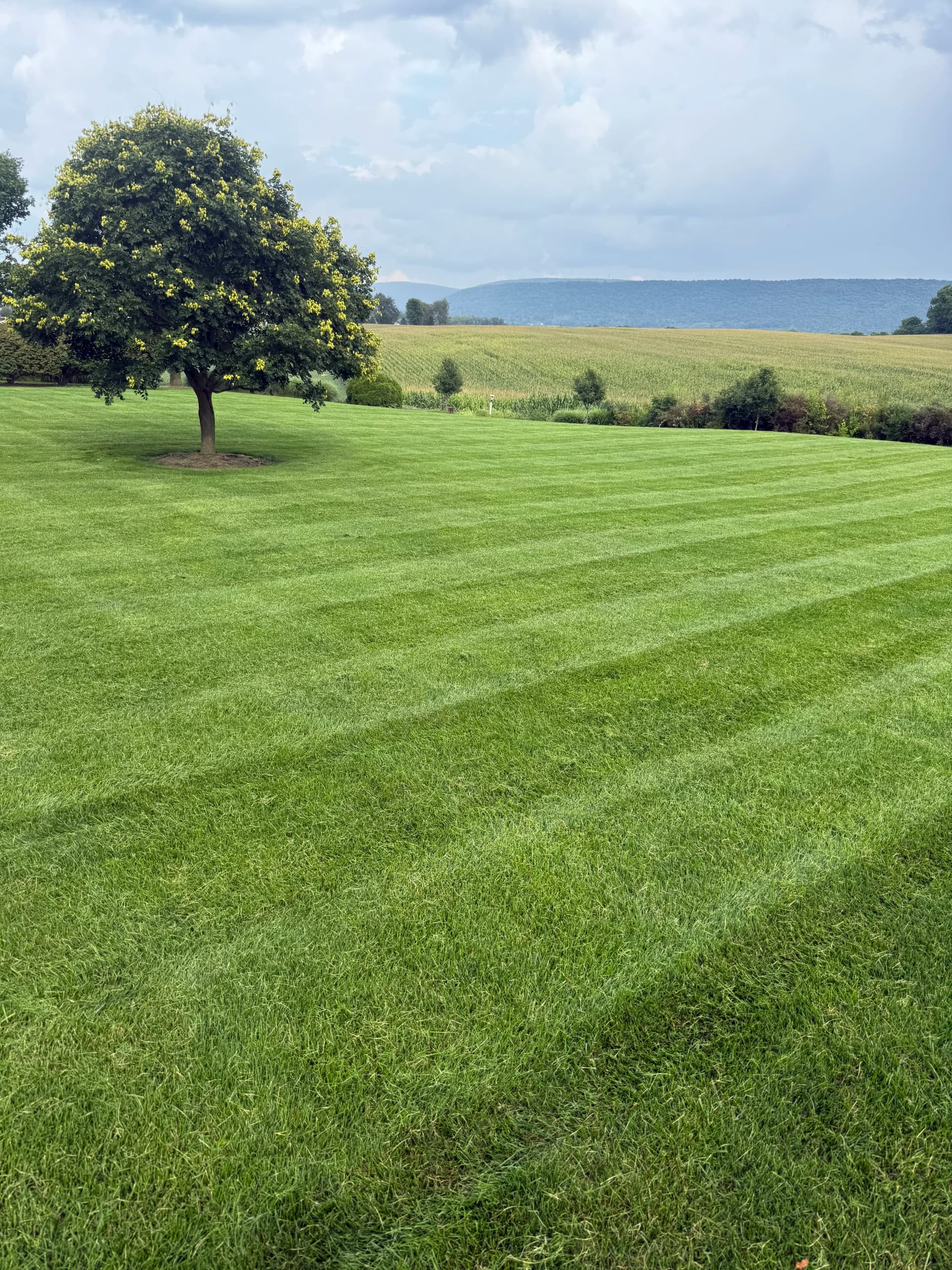
Lawn Mowing in Central PA: How to Keep Your Lawn Looking Its Best
A healthy, great-looking lawn starts with proper mowing. Here in Central Pennsylvania, changing seasons, periods of heavy rain, summer heat, and fast spring growth can all affect how often—and how—you should mow your grass.
Whether you take care of your lawn yourself or hire a professional lawn mowing service, following a few basic practices can make a noticeable difference in the appearance and health of your property.
When Does Mowing Season Start in Central PA?
The lawn mowing season in Central PA typically gets underway in the spring as temperatures rise and grass begins actively growing. Spring can bring rapid growth, especially when frequent rainfall is combined with warmer weather.
During periods of active growth, many lawns need to be mowed about once a week. Some may require more frequent attention, while dry or hot conditions can slow growth and allow more time between cuts.
Instead of mowing strictly according to the calendar, pay attention to how quickly your grass is growing.
Don't Cut Your Grass Too Short
One of the most common lawn mowing mistakes is cutting grass too short.
It might seem like a shorter cut means you can wait longer before mowing again, but scalping a lawn can put unnecessary stress on the grass. Maintaining an appropriate mowing height encourages a stronger lawn and helps the grass compete with weeds.
The ideal height depends on the type of turfgrass growing on your property, so mowing practices should be adjusted accordingly.
Follow the One-Third Rule
A helpful rule for mowing is to avoid removing more than approximately one-third of the grass blade at a time.
If your lawn gets unusually tall after a rainy week or a vacation, don't immediately cut it extremely short. Instead, mow it higher and gradually return it to your normal mowing height over subsequent cuts.
This reduces stress on the turf and can produce a cleaner-looking lawn.
Keep Your Mower Blades Sharp
Sharp mower blades don't just make mowing easier—they help produce a better cut.
Dull blades can tear and shred grass rather than cutting it cleanly. The result can be ragged-looking grass tips and an overall lawn that doesn't look as crisp after mowing.
Sharpening or replacing mower blades periodically throughout the season can make a surprisingly big difference.
Avoid Mowing a Soaking-Wet Lawn
Central Pennsylvania can get stretches of wet weather that make staying on a mowing schedule difficult.
Whenever practical, wait until the lawn has had an opportunity to dry before mowing. Wet grass can clump underneath the mower deck, produce an uneven cut, and make it easier for equipment to leave tracks or ruts in soft ground.
Sometimes waiting an extra day for better mowing conditions produces a much better result.
Change Your Mowing Direction
Try not to mow your lawn in exactly the same direction every week.
Alternate between different mowing patterns throughout the season. For example, mow from front to back one week, side to side the next, and diagonally another time.
Changing direction can help prevent repetitive wheel patterns and keep the turf from consistently leaning in one direction. It also gives professionally maintained lawns that clean, finished appearance homeowners appreciate.
Should You Leave Grass Clippings on the Lawn?
In many situations, normal grass clippings can be left on the lawn rather than collected.
Fine clippings decompose naturally and return organic material and nutrients to the soil. The key is mowing regularly enough that you're not leaving heavy piles or large clumps of grass behind.
If the lawn has become extremely tall or wet and mowing creates thick clumps, those clumps may need to be dispersed or collected.
Don't Forget Trimming and Edging
A freshly mowed lawn can still look unfinished when tall grass remains around trees, landscaping, fences, mailboxes, sidewalks, and other obstacles.
String trimming helps reach areas the mower can't. Clean edges along sidewalks, driveways, patios, and landscape beds can make an even bigger visual difference.
It's often these finishing touches—not simply cutting the grass—that give a property a professionally maintained appearance.
Summer Lawn Mowing in Central Pennsylvania
Spring isn't the only season that requires adjustments.
When Central PA experiences hot, dry summer weather, lawns may grow more slowly and become stressed. Mowing too aggressively during these periods can add additional stress.
Depending on the turf type and conditions, allowing the grass to remain somewhat taller and reducing mowing frequency during slow-growth periods may be appropriate.
Most importantly, don't mow simply because it's your normal mowing day. Let the condition and growth rate of the lawn determine when it's time.
Fall Mowing Is Important, Too
Don't put the mower away as soon as summer ends.
Grass can continue growing well into the fall in Central Pennsylvania. Continue mowing as necessary while the lawn remains actively growing, and keep leaves from accumulating in heavy layers over the turf.
A properly maintained lawn heading into colder weather can also make spring cleanup much easier.
Professional Lawn Mowing in Central PA
Keeping up with a lawn throughout the growing season takes time. Between mowing, trimming, edging, cleanup, equipment maintenance, and unpredictable Pennsylvania weather, lawn care can quickly become another job on the weekly schedule.
A professional lawn mowing service can provide consistent maintenance throughout the growing season while giving homeowners more time to enjoy their property instead of maintaining it.
For homeowners and businesses throughout Central Pennsylvania, routine mowing combined with proper trimming and cleanup can keep a property looking neat, healthy, and well cared for from spring through fall.
Keep Your Central PA Lawn Looking Its Best
There's more to a great lawn than simply running a mower over it once a week. Proper mowing height, sharp blades, good timing, changing mowing patterns, trimming, edging, and adjusting to seasonal conditions all contribute to better results.
With the right mowing practices—and a little cooperation from Pennsylvania weather—you can keep your lawn looking clean, healthy, and ready to enjoy throughout the growing season.
Looking for dependable lawn mowing in Central PA? Professional lawn maintenance can take weekly mowing off your to-do list while keeping your home or business looking its best all season long